In the increasingly competitive hospitality industry, managing room distribution is no longer a manual task. Hotels are required to be present on multiple platforms simultaneously, from their own websites to OTAs like Booking.com and Agoda.
This is where the role of a channel manager becomes crucial in supporting hotel e-commerce performance and implementing a more efficient hotel marketing strategy. Without this system, the risk of overbooking, pricing errors, and even lost potential bookings can occur at any time.
What is a Channel Manager?
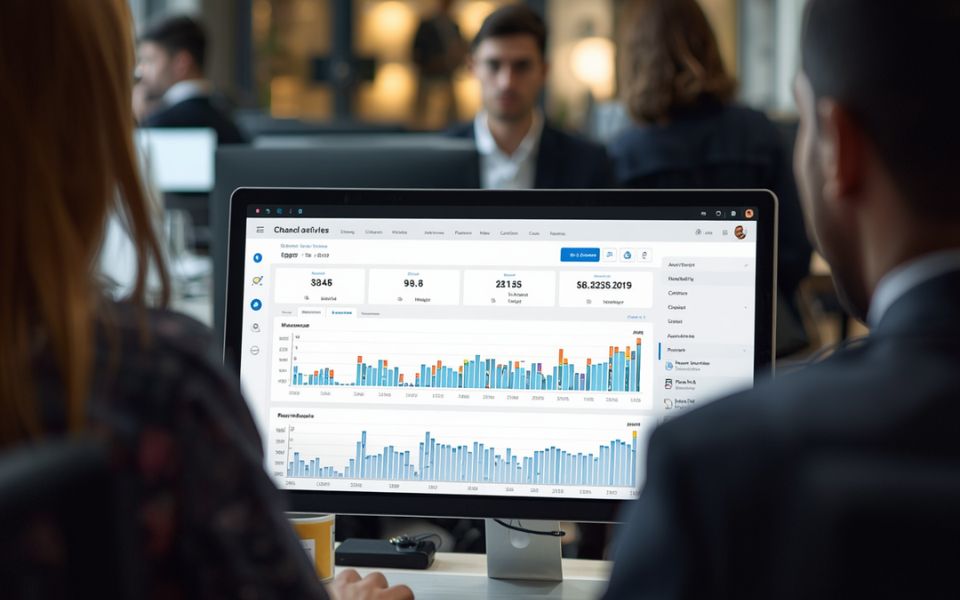
A channel manager is a system that allows hotels to automatically manage room availability (inventory) and pricing across various distribution channels in a single dashboard. This means that when a booking comes in from one platform, room availability on other platforms is immediately updated in real time. This makes hotel operations much more efficient and minimizes errors, especially for hotels that sell rooms across multiple channels simultaneously.
How a Channel Manager Works
Simply put, a channel manager works by connecting the hotel's internal system (usually a PMS) with various OTAs and other sales channels. When a hotel updates prices or room numbers, the data is immediately synchronized across all connected channels. Similarly, when a booking comes in, room availability is automatically reduced across all platforms.
Some popular channel managers frequently used in the hospitality industry include SiteMinder and Cloudbeds, which are integrated with hundreds of OTAs worldwide. With these systems, hotels no longer need to manually update each room individually, which is time-consuming and carries a high risk of error.
Benefits of a Channel Manager in Increasing Occupancy
Using a channel manager is not only about efficiency but also has a direct impact on increasing hotel occupancy.
Hotel visibility increases because the property can appear on more channels without having to manage them all manually. The more active channels, the greater the chance of securing a booking.
Pricing strategies can be more flexible. Hotels can quickly adjust prices based on demand, seasonality, or specific events without having to log in to each platform.
The risk of overbooking is minimized. With real-time updates, room availability is always accurate across all channels, ensuring a consistent guest experience.
Operational hours are more efficient. Hotel teams can focus on service and strategy, instead of repetitive administrative tasks.
All of this contributes significantly to hotel e-commerce performance, particularly in increasing conversion and revenue.
The Role of a Channel Manager in Hotel Marketing Strategy
In hotel marketing strategy practice, a channel manager is not only an operational tool, but also the foundation of digital distribution. With this system, hotels can implement various strategies such as:
- OTA optimization to improve rankings
- price synchronization with Google Ads campaigns
- integration with metasearch like Google Hotel Ads
- supporting direct booking strategies through the official website
Without a channel manager, marketing strategies often fail to run optimally because data is not synchronized across channels. In other words, a channel manager helps ensure that all marketing activities actually result in bookings.
A channel manager is a mandatory tool in modern hotel management. Not only does it help with operational efficiency, but it also plays a significant role in increasing occupancy through broader and more integrated distribution. For hotels serious about developing hotel e-commerce and implementing optimal hotel marketing strategies, using a channel manager is no longer an option, but a necessity.
Optimize Your Hotel's Ecommerce with ecommerceloka
ecommerceloka helps hotels and villas optimize their ecommerce comprehensively, from channel manager setup and OTA optimization to measurable Google Ads and Meta Ads campaigns.
With a data-driven approach and strategies tailored to your property's characteristics, ecommerceloka is ready to help you consistently increase occupancy, direct bookings, and revenue.